Empower Your Health, Every Step

Understanding Inguinal Hernias in Children:

A Practical Guide for Families in Low-Resource Settings

What Is an Inguinal Hernia?

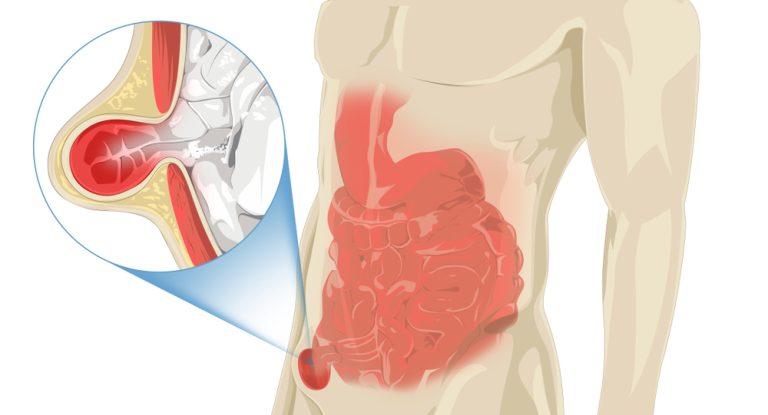
An inguinal hernia happens when part of the intestine or abdominal tissue pushes through a weak spot in the lower belly wall (groin area). In children, it’s usually something they are born with because the muscle didn’t close completely before birth.

It is very common in baby boys, but it can happen in girls too.

How to Recognize an Inguinal Hernia

 These are the most important things parents and caregivers should watch for:

🔸 Visible Bulge in the Groin area

• The most obvious sign is a soft lump in the groin area. The groin area is the fold between the belly and the thigh.

• It may come and go but more visible when the child cries, coughs, or strains (like during bowel movements), and may disappear when resting.

🔸 Pain or Discomfort

• Some children may complain of pain, pulling, or discomfort in the groin.

• Babies might seem irritated, especially when lifting or changing diapers.

🔸 Bulge in the Scrotum (for boys)

• In boys, the hernia can extend into the scrotum and make it appear larger than usual.

How Parents Can Feel the Hernia

With clean hands and gentle touch:

•Check if the lump softens or can be pushed back gently.

• If the lump is hard, firm, painful, and cannot be pushed back, this may be an emergency 

See below for what to do in an emergency, Do not force anything. If you are unsure, seek care immediately.

When an Inguinal Hernia Becomes an Emergency

Although many hernias are not painful at first, they can become life-threatening if trapped (incarcerated or strangulated).

 🚨 Go to the hospital immediately if you see any of these:

• Lump that cannot be pushed back.

• Severe pain, swelling, redness, warmth.

Vomiting or refusal to eat.

Constant crying in a baby.

• Signs of intestinal blockage (no passing wind or stool).

These are signs that the intestine may be stuck, losing blood supply, and can become serious quickly. This requires emergency surgery!

How an Inguinal Hernia Is Treated

The only real cure for an inguinal hernia is surgery.

In many settings (including low-resource environments), surgeons perform a simple operation:

• The intestine is pushed back safely into the abdomen.

• The weak area in the muscle is strengthened.

• The operation usually not so long and is highly successful.

Children generally recover well.

For families and caregivers: If you would like to understand how you can support your loved ones recovery and reduce complications after a burn injury, read Caring for a Burn Patient: How Early Family Support Improves Recovery.

What You Can Do at Home Before Surgery

If your child has a hernia and it is not stuck:

Keep Calm and Monitor

 •Watch for changes in the lump (size, color, pain)

 •Check daily, especially with activity.

Avoid Heavy Straining

 •Encourage your child to rest.

 •Avoid activities that make the lump bigger or painful.

Gentle Positioning

 •Let your child rest in comfortable positions.

 •Don’t try pressing or squeezing the hernia to “fix” it because this can make things worse.

Good Nutrition

 •Give foods that help your child pass stool easily, so they don’t have to strain. Straining can make the hernia bulge more and cause pain. Fruits like pawpaw (papaya), banana (especially ripe ones), oranges, pears, watermelon, and mango help soften stool and prevent constipation.

Hydration

 •Water and fluids help keep stools soft, lowering strain.

Seek Local Health Help

 •Even if you cannot reach a surgeon immediately, a nurse or clinician can explain what you are seeing and how urgent it is.

After Surgery: Home Care and Recovery

Most children recover quickly after hernia repair surgery.

But these are simple home steps to improve recovery:

✔ Pain Relief

 •Use medications prescribed by your doctor.

 •Simple pain relievers like paracetamol (acetaminophen) are often recommended (dose by age/weight).

✔ Keep the Wound Clean

 •Wash hands before checking the wound.

 •Clean around the wound with clean water and do not insert anything into the wound.

•Watch for redness, pus, bad smell, or swelling, these are signs of infection.

✔ Rest for 24–48 Hours

 •No running or jumping right after surgery.

 •Quiet play, cuddles, and rest help healing.

✔ Watch the Activity

 •After 3–5 days, most children can slowly return to normal activity.

 •If the wound looks sore, delay strenuous play.

NOTE: Your surgeon understands your child’s specific case, so their advice should always come before any general guidance.

Common Myths vs. Facts

Myth: Pushing the hernia in will cure it.

Fact: That might temporarily reduce the lump, but it will come back. A surgery is needed.

Myth: Heat or herbs can fix a hernia.

Fact: No home remedy heals the muscle weakness. Delaying care can be dangerous.

Takeaway Lesson: What Every Parent Needs to Remember

👉 A hernia in a child is common and treatable, but it needs a doctor’s evaluation.

👉 If the lump becomes firm, painful, or stuck, get help immediately.

👉 After surgery, with clean care and rest, most children recover quickly.

Written by Kevin Odo, MD

Empower Your Health, Every Step

Healthducate by Dr Kevin Odo

Meadowable                  Apple                   Axis Razor                     Future

© 2026 All Rights Reserved

Support | Terms | Privacy

Scroll to Top